Few movements have had so large an influence from so mysterious a beginning. The Rosicrucians announced themselves to Europe in the early 1600s with a handful of anonymous pamphlets — and then seemed to vanish. Four centuries later their symbolism still runs through Western esoteric thought. So who were they?
The manifestos
Between 1614 and 1616, three documents appeared in Germany describing a secret brotherhood founded by one Christian Rosenkreutz, dedicated to spiritual wisdom, healing, and the reform of learning. No one could reliably find the order itself. Whether it existed as an organization or began as a literary and philosophical provocation is still debated — but the ideas caught fire regardless.
Symbols, not secrets
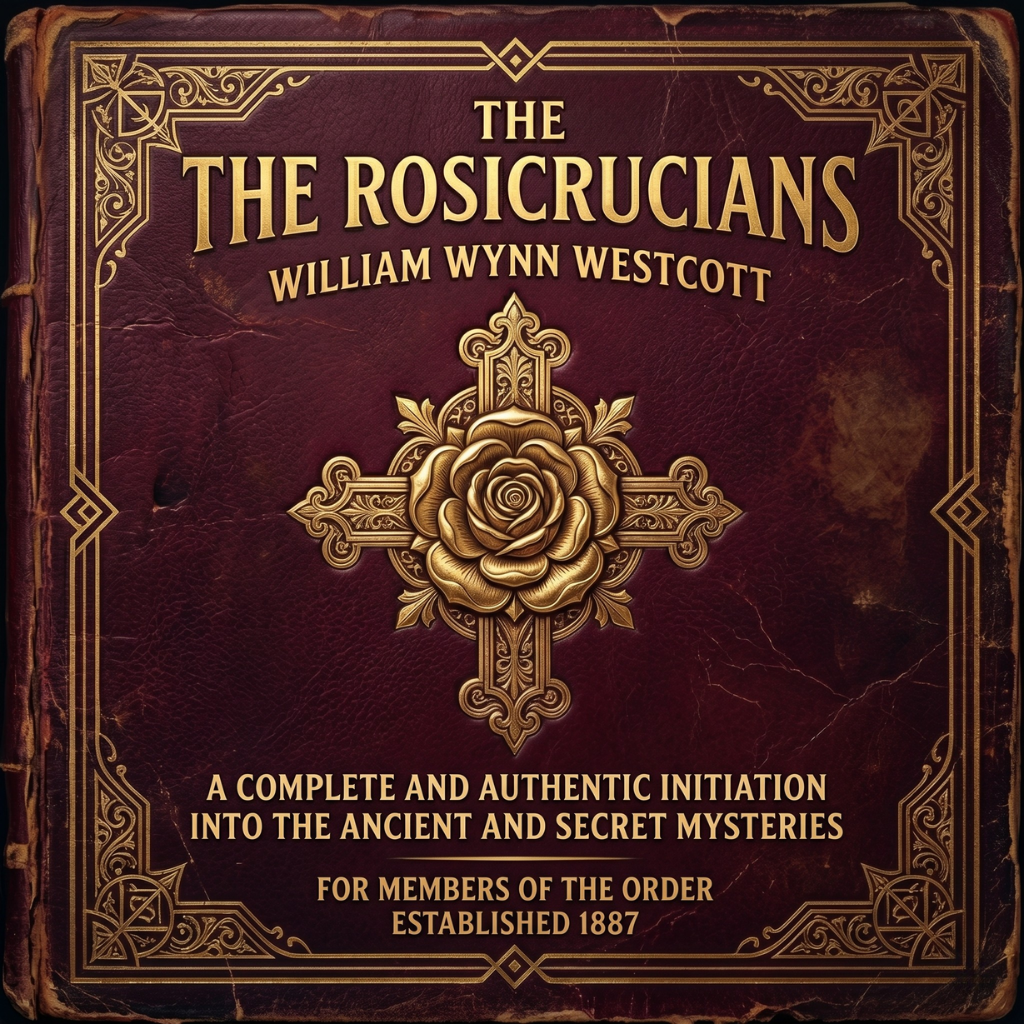
At the center of Rosicrucianism is the image that names it: the rose upon the cross. Like the alchemists they drew on, the Rosicrucians spoke in symbols meant to be meditated on rather than simply decoded. Their concern was inner transformation joined to a hope for a wiser, more harmonious world.
The long afterlife
The Rosicrucian current fed directly into later esoteric and fraternal traditions, including Freemasonry, whose symbolic teaching shares much of the same spirit. To read the Rosicrucian texts is to see where a great deal of Western symbolism was quietly set in motion.
Where to start listening
- The Rosicrucians — a clear historical introduction to the movement.
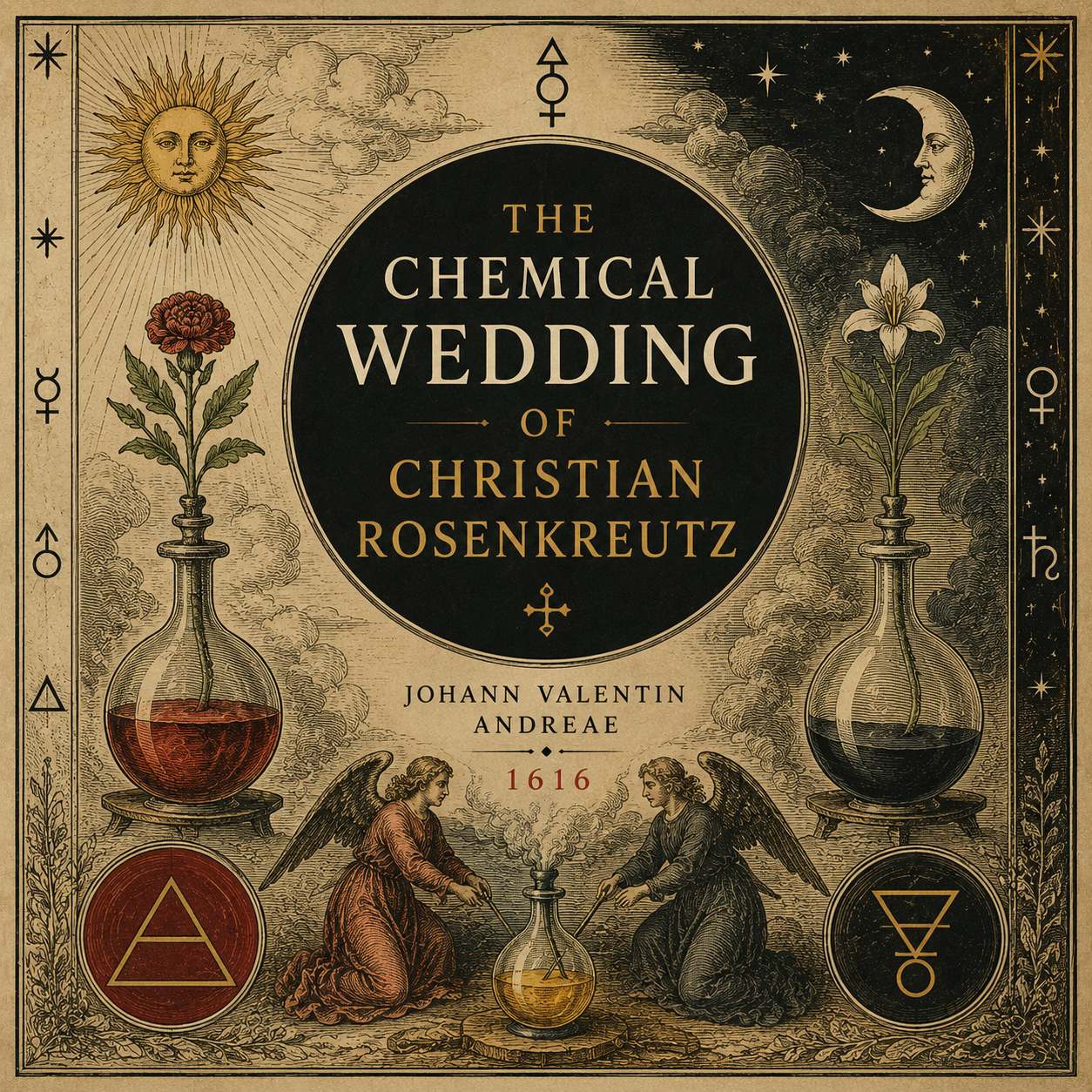
- The Chemical Wedding of Christian Rosenkreutz — the founding symbolic romance.
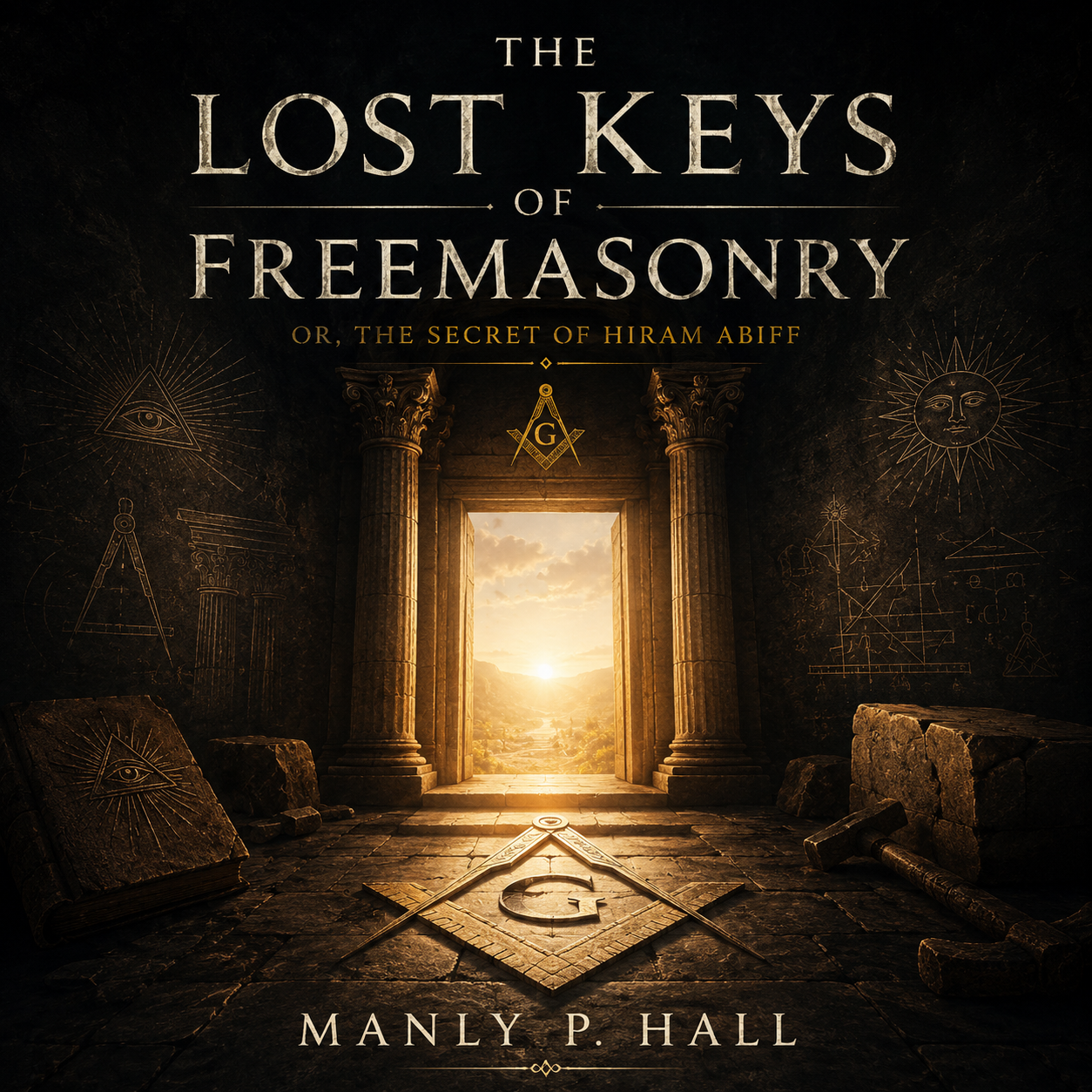
- The Lost Keys of Freemasonry — the tradition it helped shape.
Hear these free in the Honora app, and explore the secret societies collection.