Stoicism is having a moment — quoted in boardrooms, gyms and group chats. But behind the slogans is a serious, practical philosophy that has helped people stay steady for two thousand years. Here is the honest, plain-language version.
The one idea at the centre
Stoicism begins with a single distinction: some things are up to us, and some are not. Our judgements, choices and actions are ours. Almost everything else — other people, our reputation, the weather, the past — is not. The Stoic discipline is to pour your energy into the first category and meet the second with calm acceptance. As Epictetus opens his Enchiridion: "Some things are within our power, while others are not."
Not cold, but clear
Stoicism is often mistaken for suppressing emotion. It is really about not being ruled by it. The Stoics trained themselves to pause between what happens and how they respond — to notice the story they were telling and ask whether it was true and useful. That pause is where freedom lives.
Why it lasts
The appeal is simple: it works, and it asks nothing supernatural of you. Whether you are anxious, grieving, ambitious or stuck, the Stoic questions are the same — What is actually in my control here? What would character do right now? It is a philosophy you can practise on a hard Tuesday.
Where to start listening
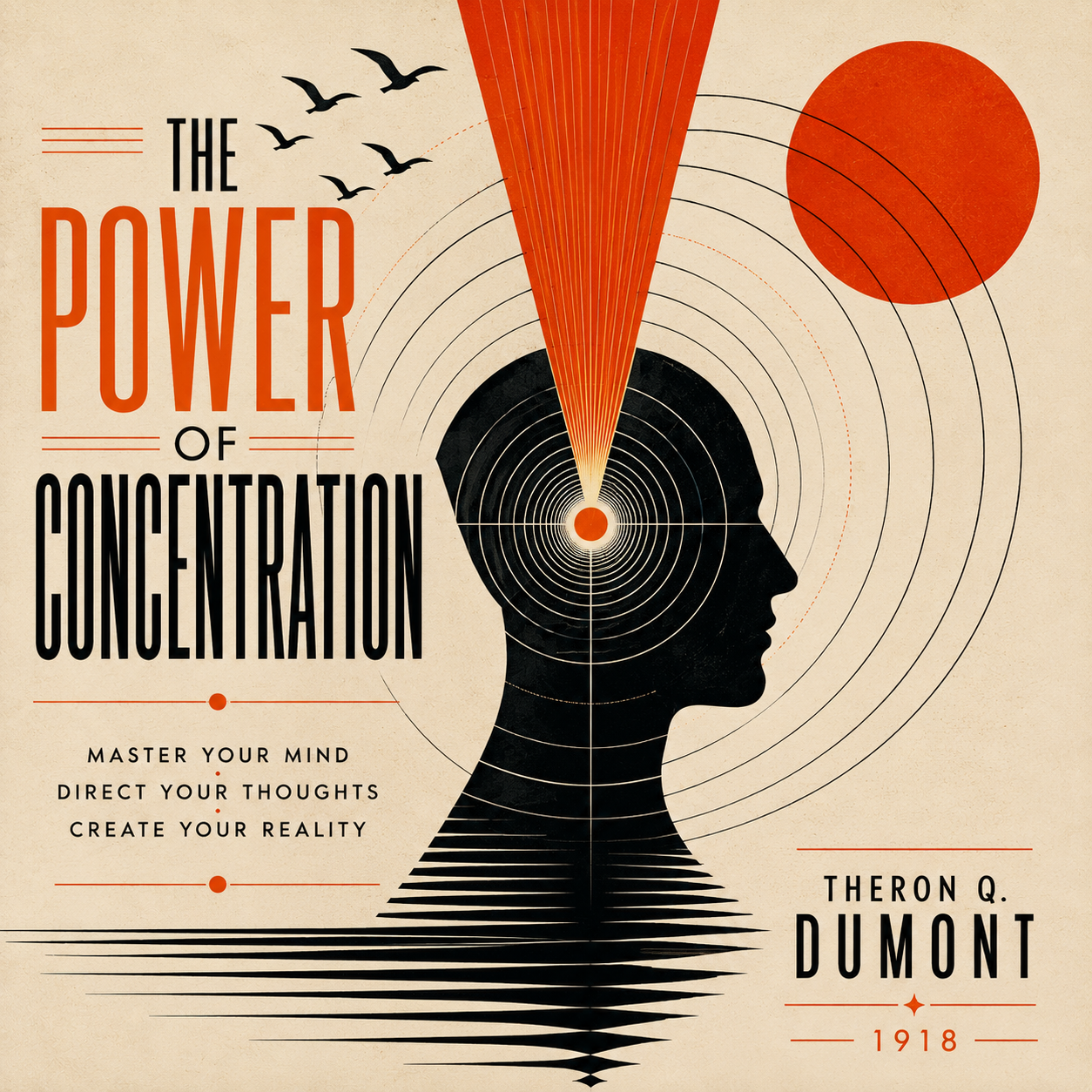
The clearest doorway in the Honora library is Epictetus's Enchiridion — a short "handbook" of Stoic practice, meant to be kept close and returned to. (Marcus Aurelius's Meditations is the other great starting point; it is not yet in the library.) Pair it with The Power of Concentration to build the steady attention Stoic practice depends on.
Listen free in the Honora app, and explore related reading on inner calm and will & character.