New Thought is the quiet root system beneath most of modern self-development. Long before "mindset" became a buzzword, a group of nineteenth-century writers argued something radical for their time: that the mind is not a passive spectator of life but an active force that shapes it.
A movement, not a single book
New Thought emerged in the United States in the late 1800s, drawing on older Hermetic and philosophical ideas about the primacy of mind. It was never a single church or doctrine — it was a family of writers who kept circling the same conviction: thought is causative. What you hold steadily in mind tends, over time, to shape what you notice, what you attempt, and what you build.
The central claim
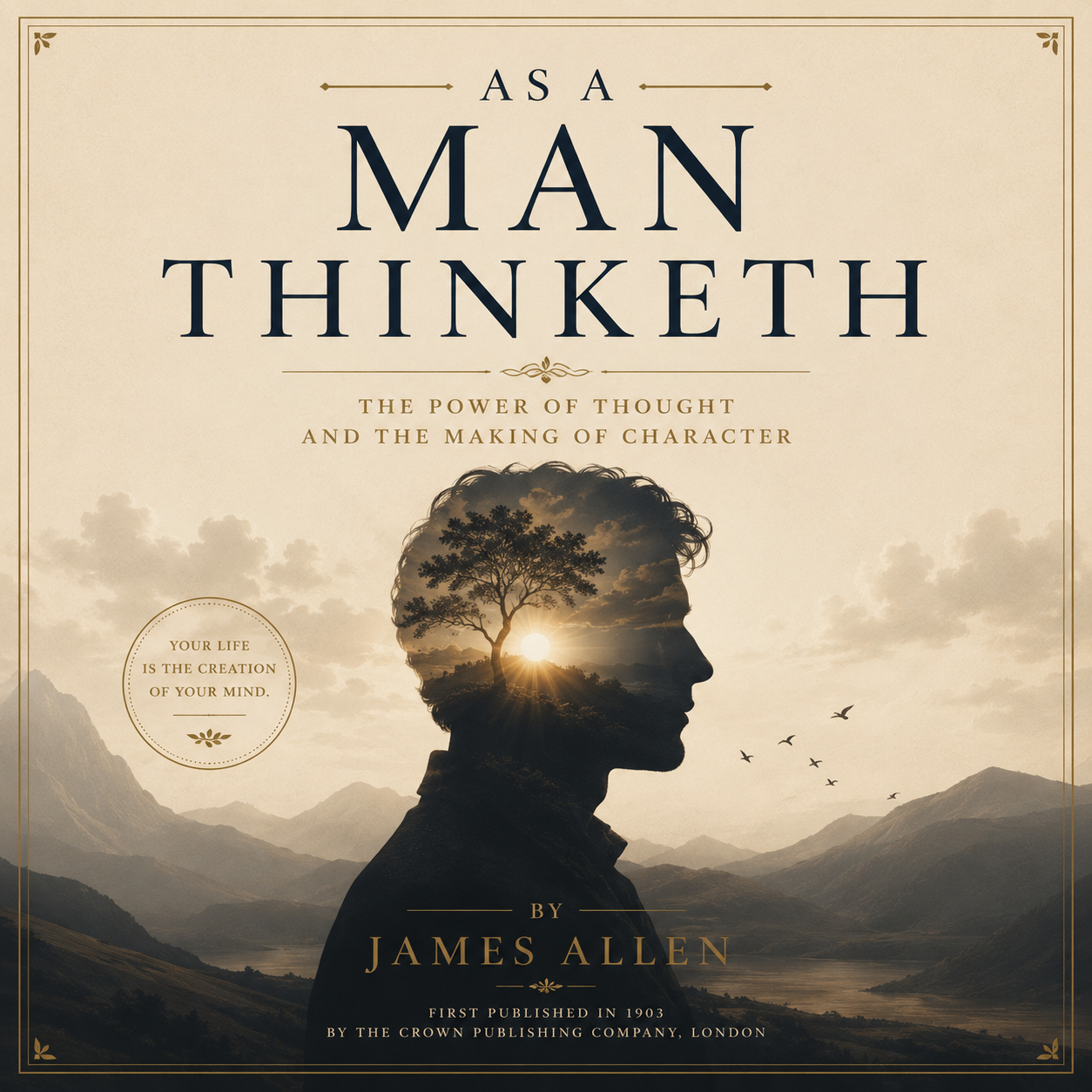
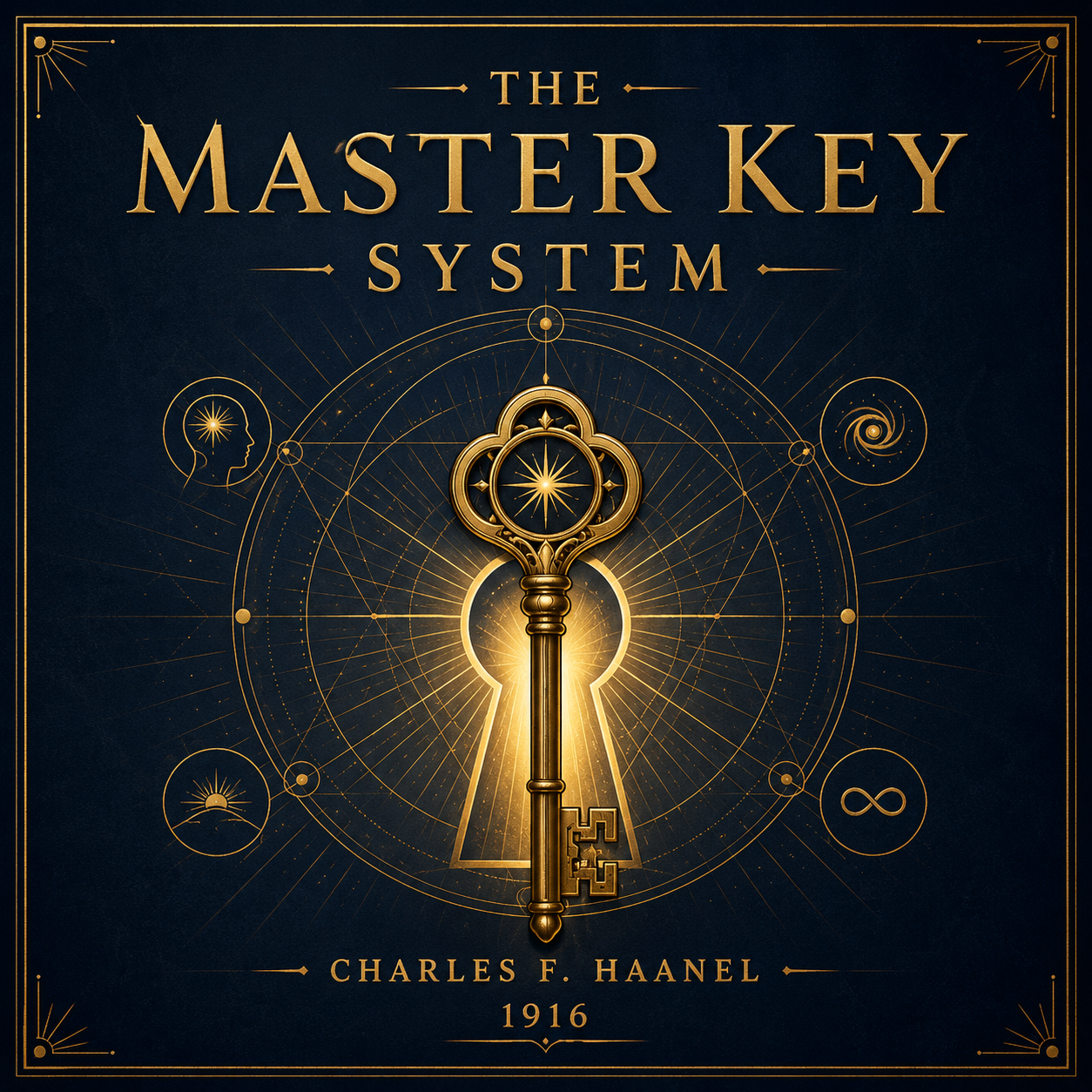
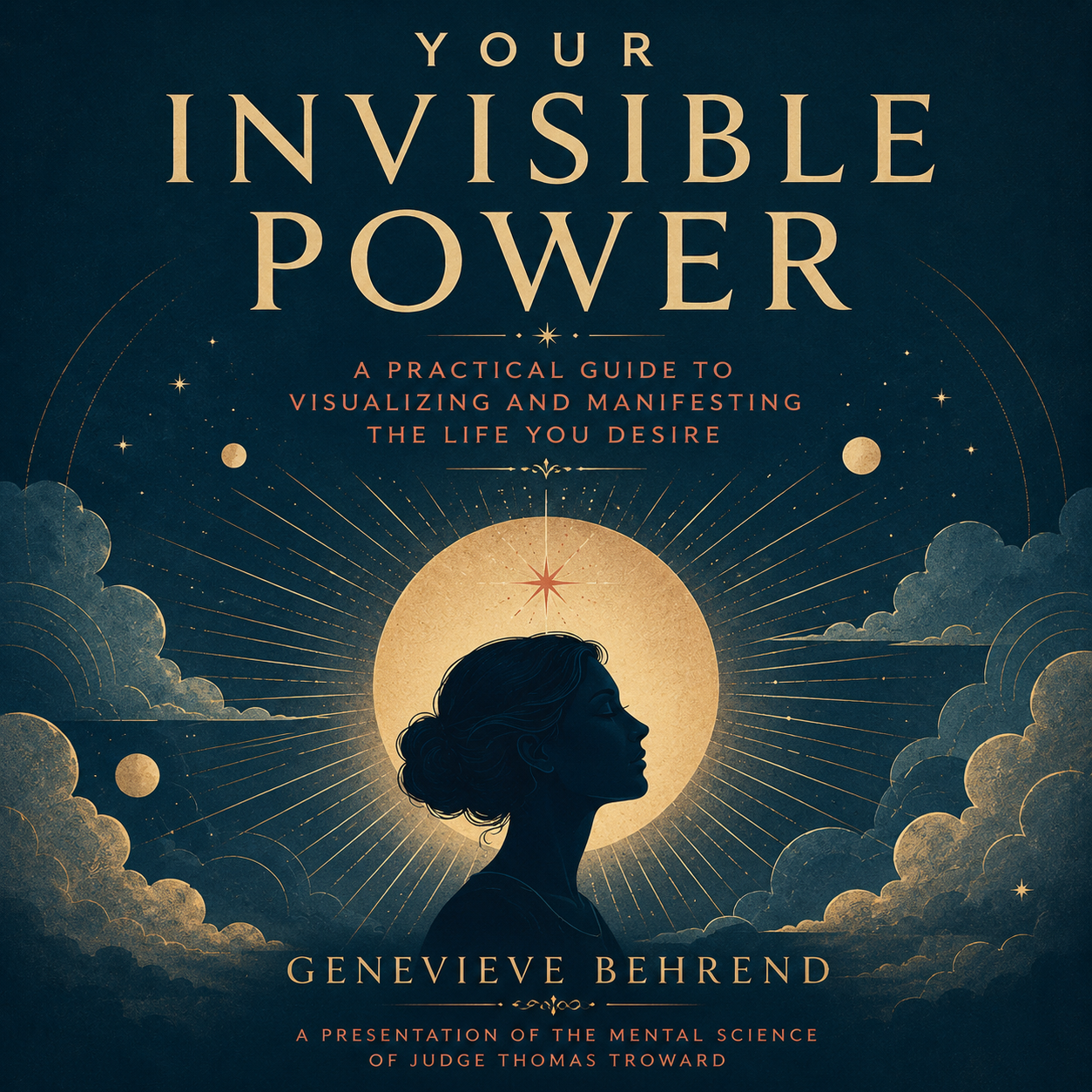
The clearest statement of the idea is also its most famous. James Allen opened As a Man Thinketh with the line that "as a man thinketh in his heart, so is he." Around the same time, writers like Charles Haanel and Genevieve Behrend turned the same principle into practical systems of attention and mental discipline.
Reading it honestly
New Thought is best read as a philosophy of attention and character, not a promise of magic. Its enduring value is simple and testable: the quality of your thinking shapes the quality of your action. That is why these books have outlasted a century of imitators.
Where to start listening
- As a Man Thinketh — the short, foundational essay on thought and character.
- The Master Key System — a structured course in focused thinking.
- Your Invisible Power — a practical, personal take on directed imagination.
Hear these classics free in the Honora app, and browse more on the power of thought.