"Eastern wisdom" is a wide umbrella — it covers several traditions, countries and centuries. But the core texts share a family resemblance: they are less interested in winning arguments than in changing how you live and see. Here is a map to begin with.
Four doorways
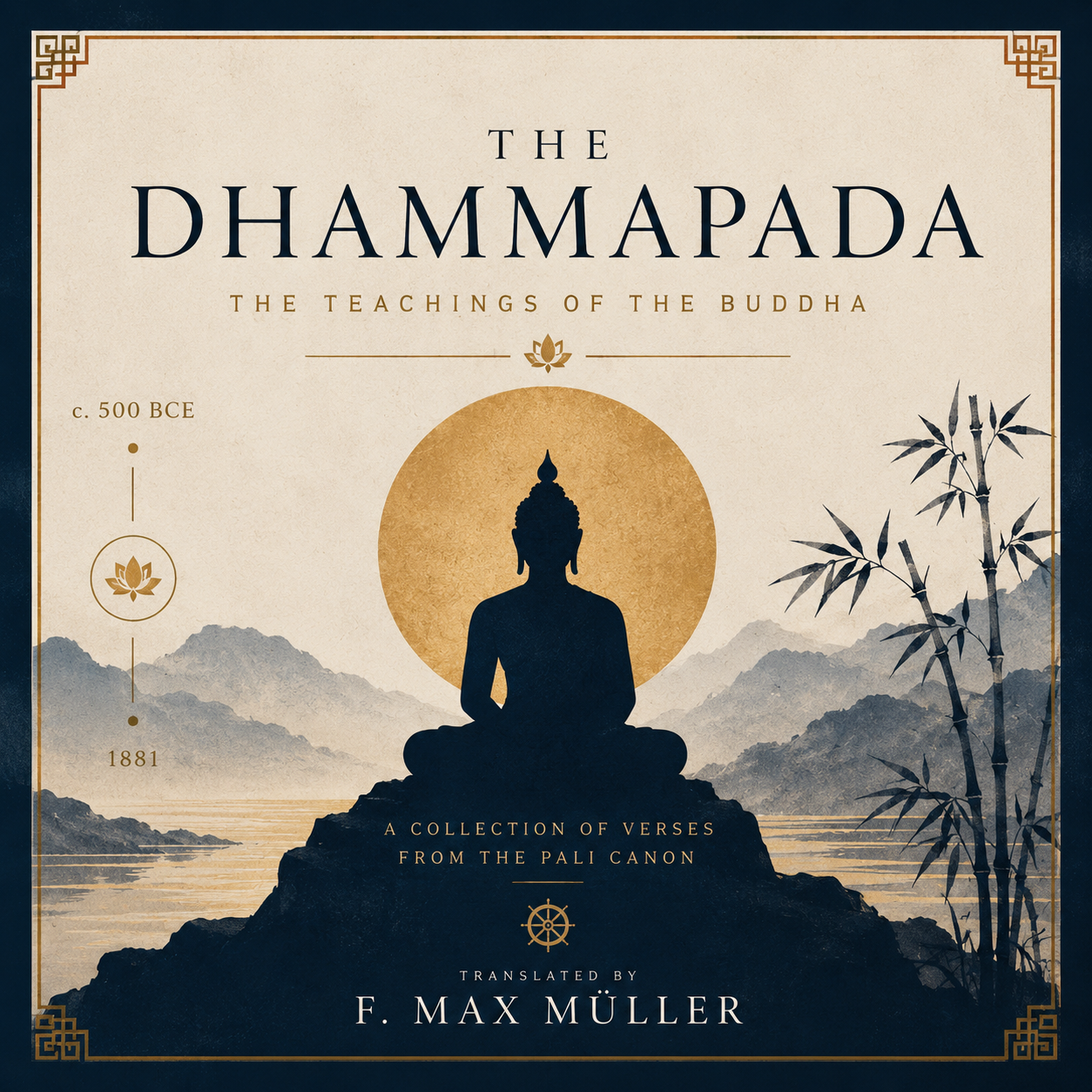
- The Dhammapada — the Buddha's teaching distilled into short, memorable verses on craving, calm and the trained mind.
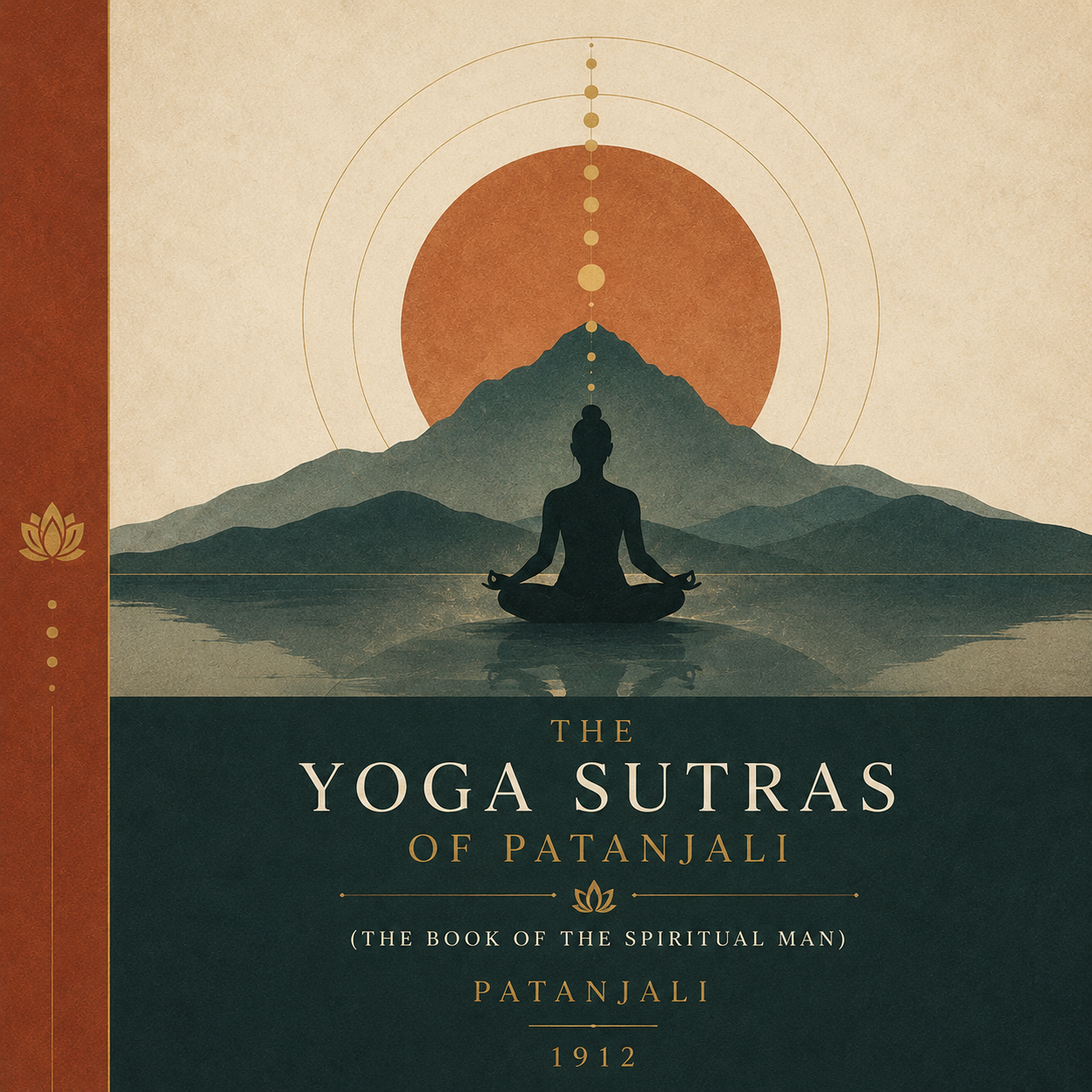
- The Yoga Sutras of Patanjali — the foundational manual of yoga as a discipline of attention, long before it meant postures.
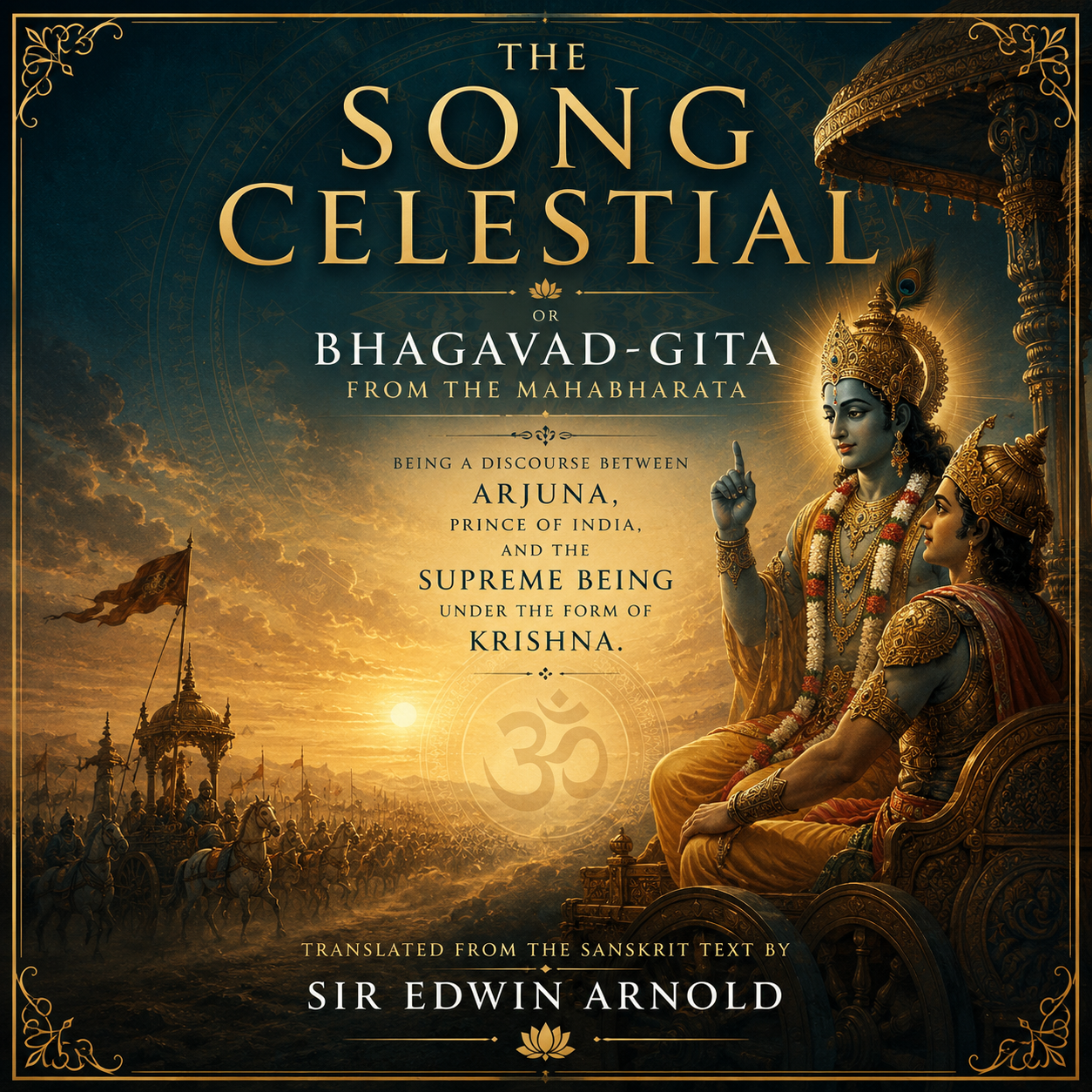
- The Bhagavad Gita — a dialogue on duty, action and devotion set on the eve of a battle, and one of the most beloved texts in the world.
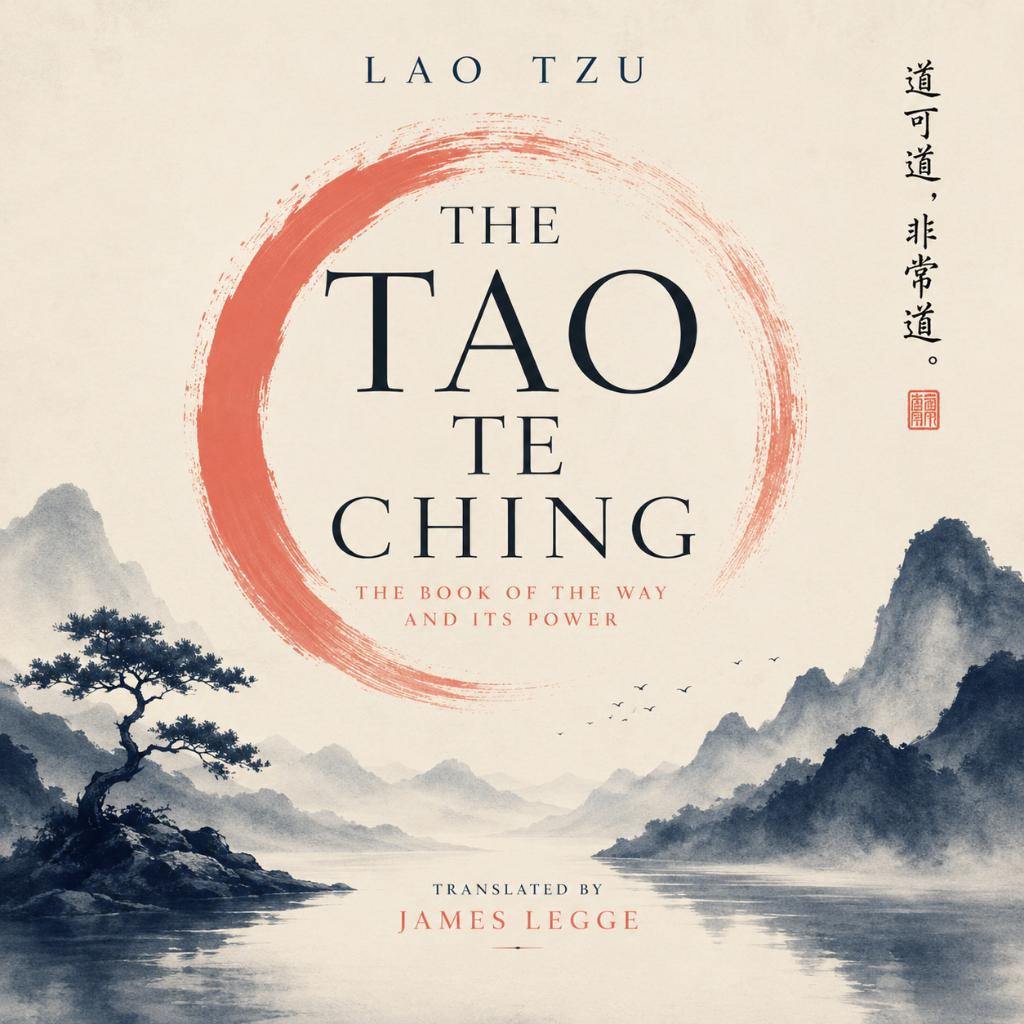
- The Tao Te Ching — Lao-tzu's brief, paradoxical poems on living in harmony with the way things are.
A shared thread
Across these very different books runs one idea: that suffering comes largely from grasping — at outcomes, at self-image, at how we insist things should be — and that peace comes from a lighter, clearer relationship with reality. They approach it differently, but they point the same direction.
How to read them
Don't rush to finish. These are texts to sit with a few lines at a time. Read slowly, let a verse follow you through the day, and come back. In audio they work especially well — they were meant to be heard and repeated long before they were printed.
Where to start listening
If you want calm, begin with The Dhammapada. If you want focus, The Yoga Sutras. If you want a story to carry the ideas, The Bhagavad Gita. All are free in the Honora app.
Explore the full Eastern Wisdom collection, or browse by inner calm.