Say "alchemy" and most people picture a medieval figure trying to turn lead into gold. That picture is not wrong, but it is badly incomplete. Alchemy was a serious tradition of natural philosophy, spiritual practice, and coded writing — and understanding it changes how you read a great deal of later thought.
Two kinds of gold
Alchemists did pursue physical transformation, and their laboratory work helped lay the groundwork for chemistry. But running alongside the practical craft was a spiritual one. The transformation of base metal into gold was also a metaphor for the transformation of the ordinary self into something refined and whole. Many texts are deliberately written to be read on both levels at once.
Why alchemical texts are so strange
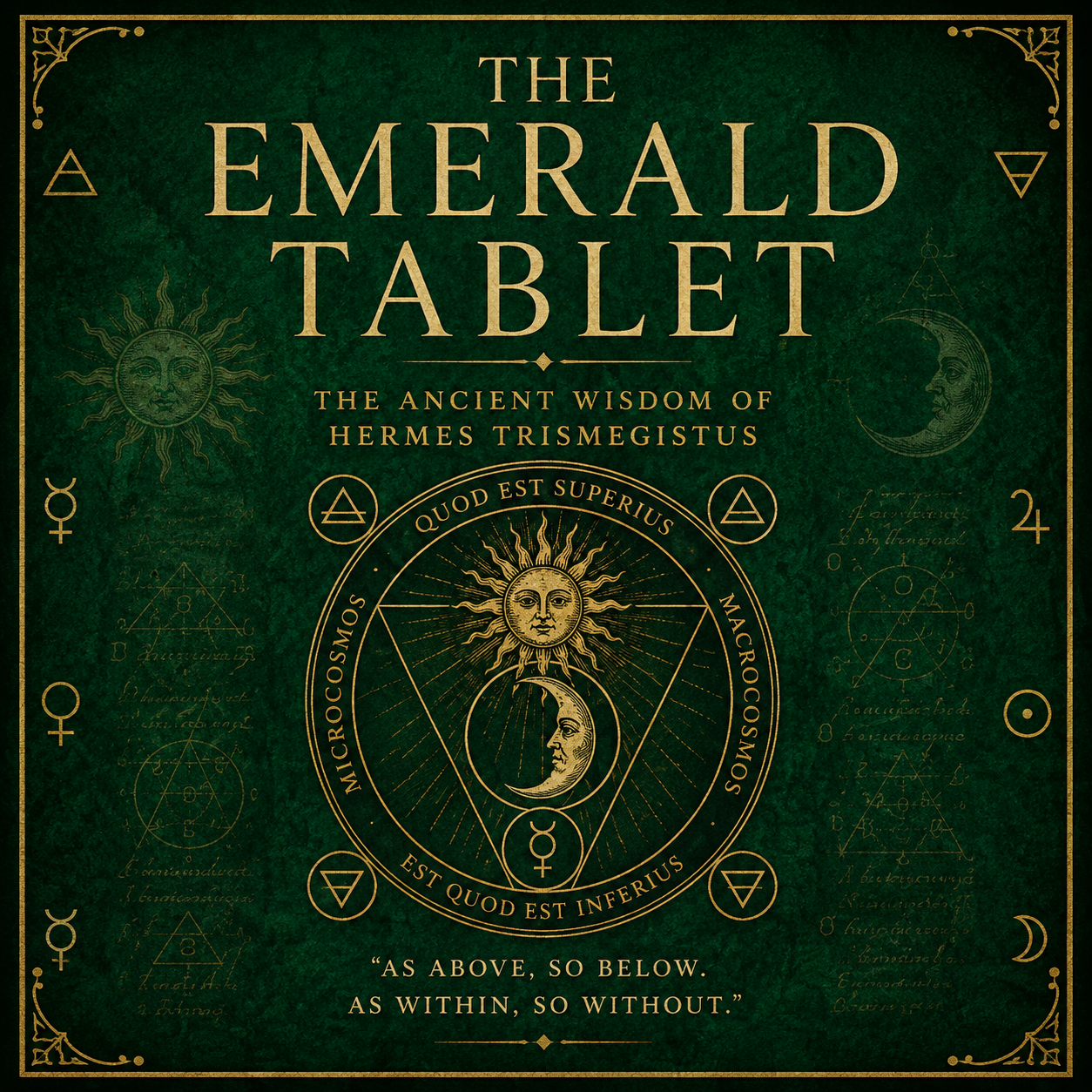
Alchemical writing is famously obscure — full of kings and queens, suns and moons, dragons and dissolving. This was partly secrecy and partly method: the images are meant to work on the reader, not just inform them. Learning to read them is part of the point. The Emerald Tablet, only a few sentences long, is the seed from which much of this symbolic language grew.
The thread to everything else
Alchemy sits at a crossroads. It shares its "as above, so below" worldview with Hermeticism, and its imagery flows into Rosicrucian and later esoteric writing. Read a few of its core texts and connections across the whole Honora library begin to light up.
Where to start listening
- The Emerald Tablet — the tiny, foundational text of the whole tradition.
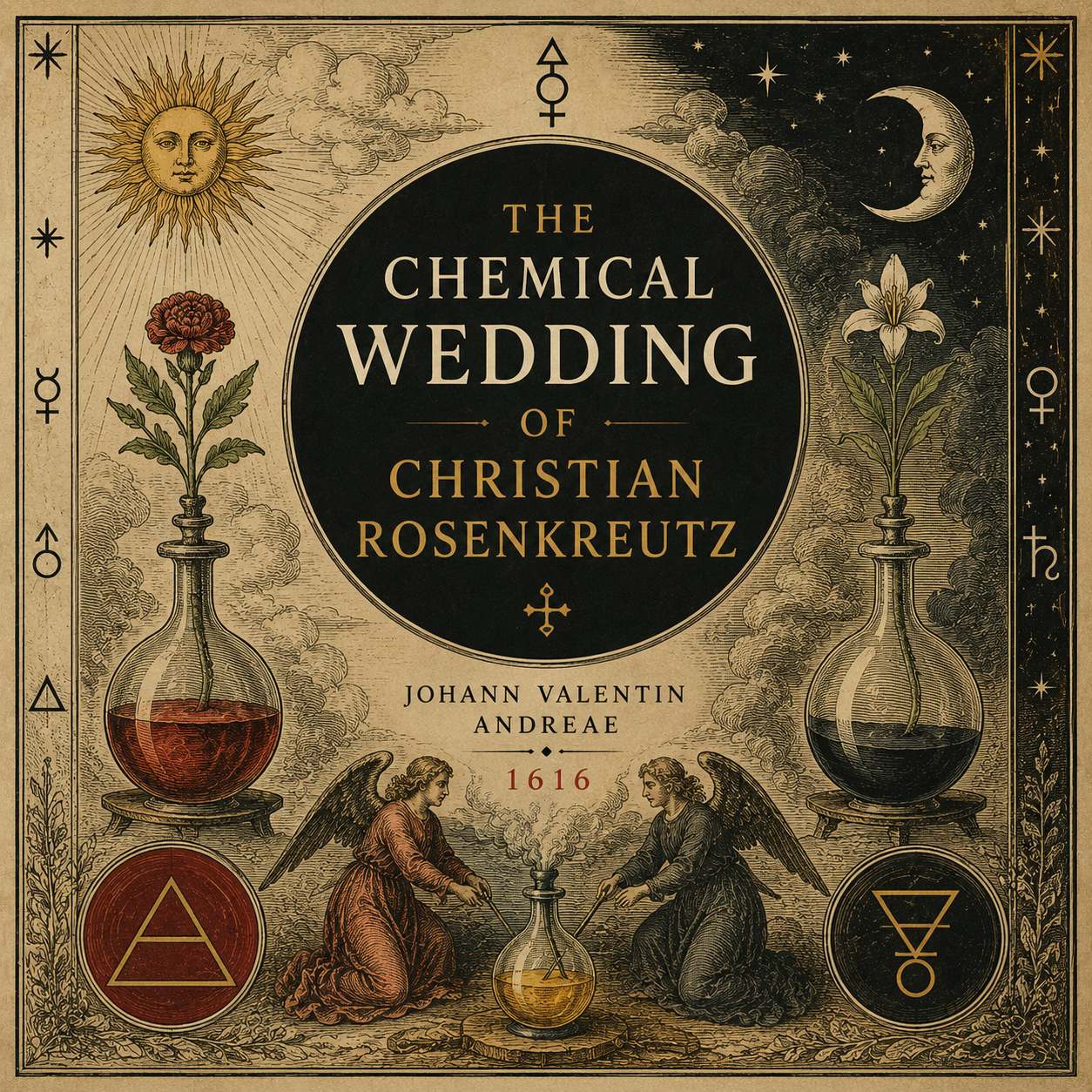
- The Chemical Wedding of Christian Rosenkreutz — alchemy as a symbolic story.
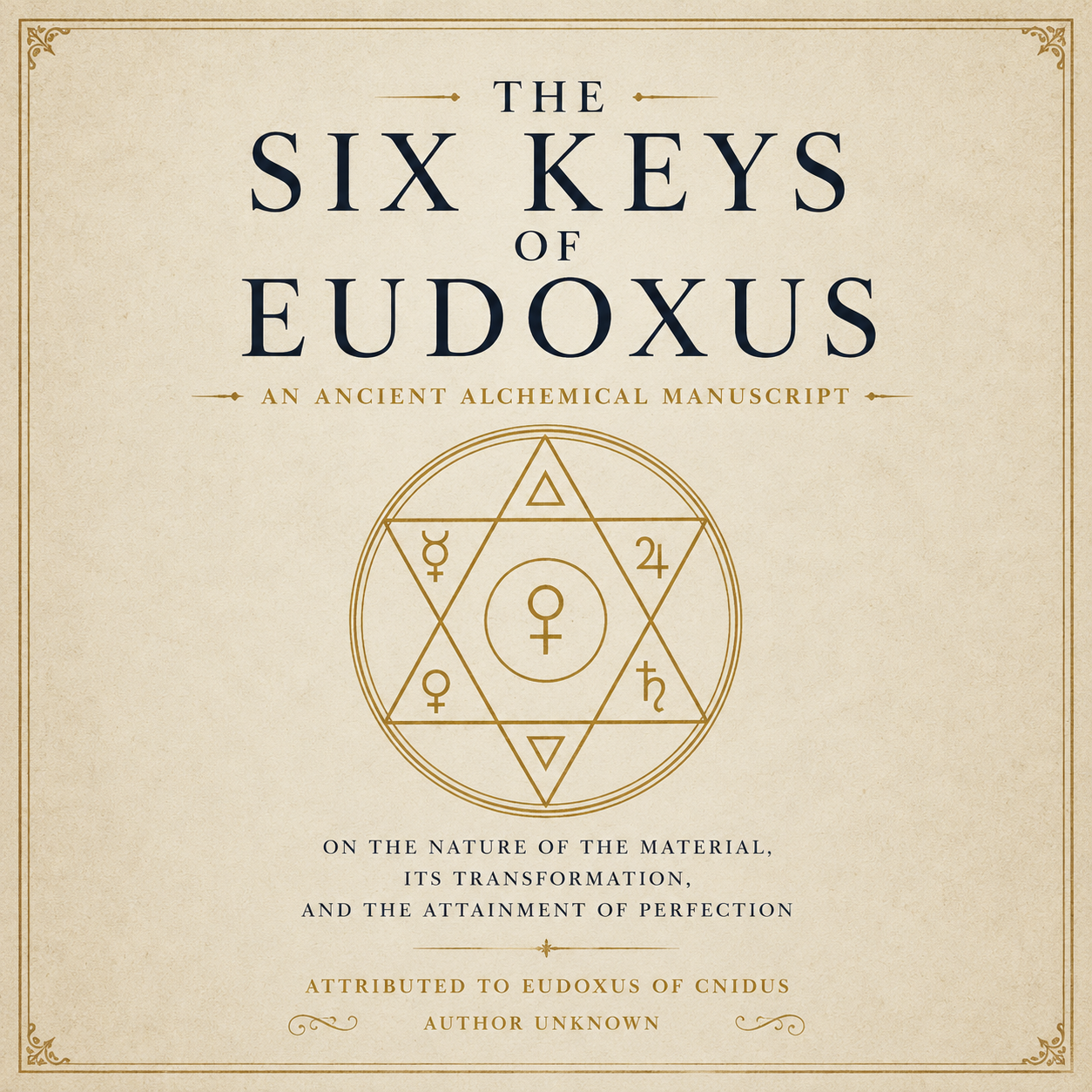
- The Six Keys of Eudoxus — a classic of the practical-symbolic art.
Listen free in the Honora app, and explore the alchemy collection.